
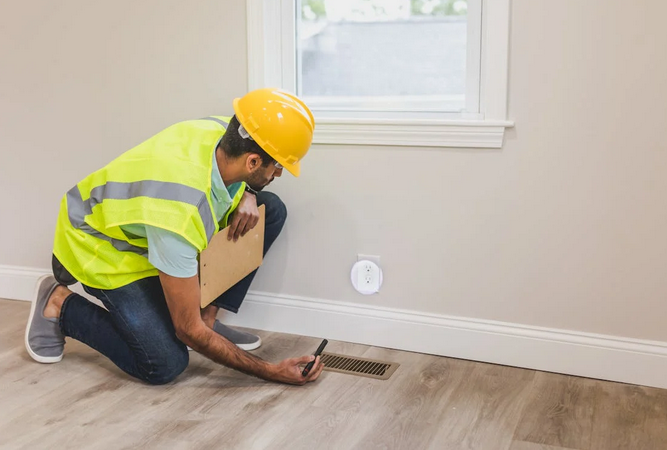
Property maintenance plays a major role in protecting value and comfort. Small issues often grow when ignored. Costs rise quietly. Safety risks increase. Tenants lose confidence. Owners face avoidable stress. Early action changes outcomes. Timely maintenance supports long-term performance and stable operations. This article explores frequent property maintenance issues and explains how addressing them early helps reduce expenses, prevent disruption, and maintain consistent standards across residential and commercial properties.
Water Damage and Plumbing Leaks
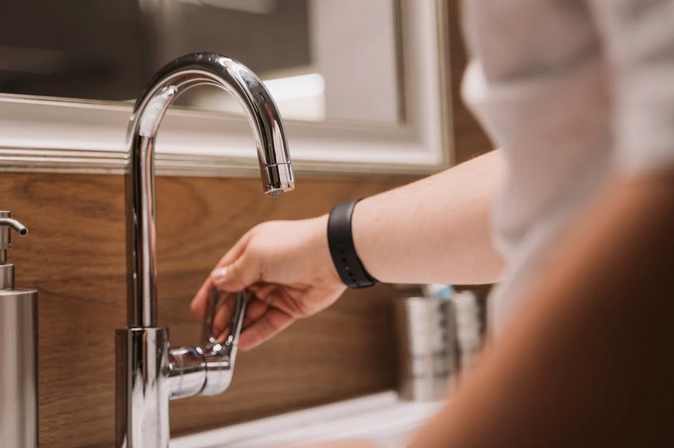
Plumbing issues are among the most common problems. Small leaks hide behind walls or under floors. They seem harmless at first. Over time, moisture spreads. Mold develops. Structural materials weaken. Water bills rise without explanation. Early inspections help spot warning signs like stains or low pressure. Prompt repairs protect surfaces and ensure systems remain reliable before damage becomes extensive.
Pest Infestations and Entry Points
Pests seek warmth, food, and shelter. Small gaps invite insects and rodents. Early signs include droppings or faint noises. Delays allow colonies to grow. Damage accelerates. Health concerns increase. Early sealing and monitoring reduce risk. Regular inspections help maintain a clean and controlled environment across properties.
Electrical System Wear and Failures
Electrical systems degrade slowly. Loose connections and outdated wiring pose serious risks. Flickering lights often get ignored. Breakers trip more often. Equipment struggles to perform. These signs suggest deeper issues. Early assessments by licensed professionals prevent hazards. Addressing problems early helps ensure safety and supports energy efficiency throughout the property.
Roof and Gutter Neglect
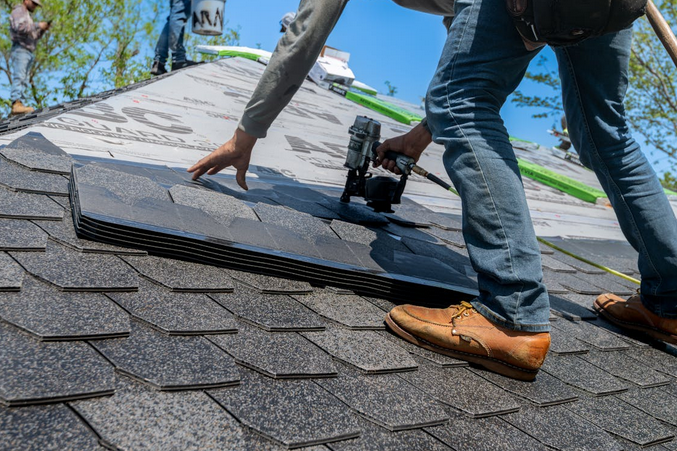
Roofs shield properties from weather stress. Gutters manage water flow. When neglected, debris builds up. Water backs up. Shingles loosen. Leaks follow. Interior damage spreads quickly. Regular inspections identify cracks and blockages early. Simple cleaning and minor repairs preserve roofing systems and extend their lifespan with minimal effort.
Heating and Cooling Inefficiencies
HVAC systems work hard year-round. Filters clog. Components wear down. Performance drops gradually. Occupants notice uneven temperatures. Energy costs climb. Ignoring these signs leads to breakdowns during peak seasons. Early servicing restores efficiency and comfort. Routine maintenance supports reliable operation and reduces emergency repair needs.
Safety Systems and Compliance Gaps
Safety systems require attention. Smoke detectors fail silently. Emergency lighting weakens. Signage fades. Compliance slips over time. Inspections often reveal outdated equipment. Early testing ensures systems function when needed. Addressing gaps early supports compliance and demonstrates a unique commitment to occupant safety.
Structural Cracks and Surface Damage
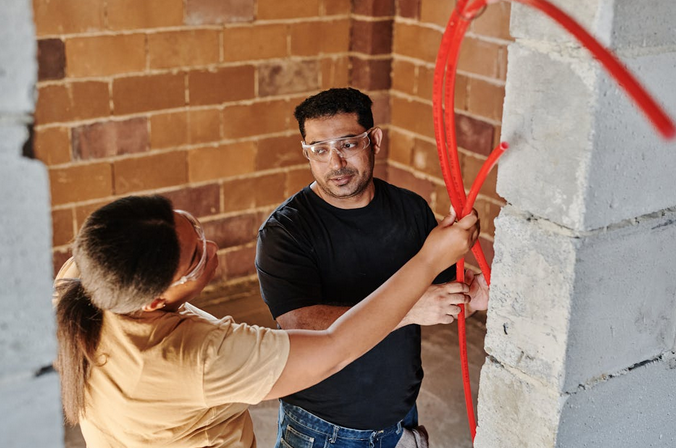
Cracks in walls or foundations often seem cosmetic. Paint peels. Tiles shift slightly. These changes signal movement or moisture issues. When left unchecked, damage spreads. Repairs become complex. Early evaluation identifies causes before structural integrity is affected. Timely action protects both appearance and stability with targeted solutions.
Exterior Wear and Drainage Problems
Exterior areas face constant exposure. Pavements crack. Drainage slopes shift. Water pools near foundations. These issues worsen with weather changes. Early correction prevents erosion and trip hazards. Proactive exterior maintenance delivers the utmost protection against long-term surface damage and liability risks. Property maintenance issues rarely appear overnight. They develop gradually through wear and neglect. Early action limits damage and preserves value. Regular inspections reveal patterns before they escalate.
Owners gain control through consistent monitoring. Tenants experience fewer disruptions. Budgets remain predictable. Addressing issues early supports planning and accountability. Maintenance teams work efficiently with clear priorities. Communication improves across stakeholders. Decisions become proactive rather than reactive. Over time, properties remain functional and attractive. Early maintenance also extends asset life. Systems operate within optimal conditions. Replacement cycles are slow. Capital expenses decrease. Documentation improves. Historical records guide future planning. Teams respond with clarity during inspections and audits. Property value strengthens through visible care and reliability. These benefits compound steadily. Preventive maintenance fosters trust. Occupants feel heard when issues are addressed promptly. Satisfaction rises. Retention improves. Reputation grows. Properties stand out through consistency.
Leave a Reply